- An ISO 9001:2015 Certified Company

- (022) 28727863 / 9820444582
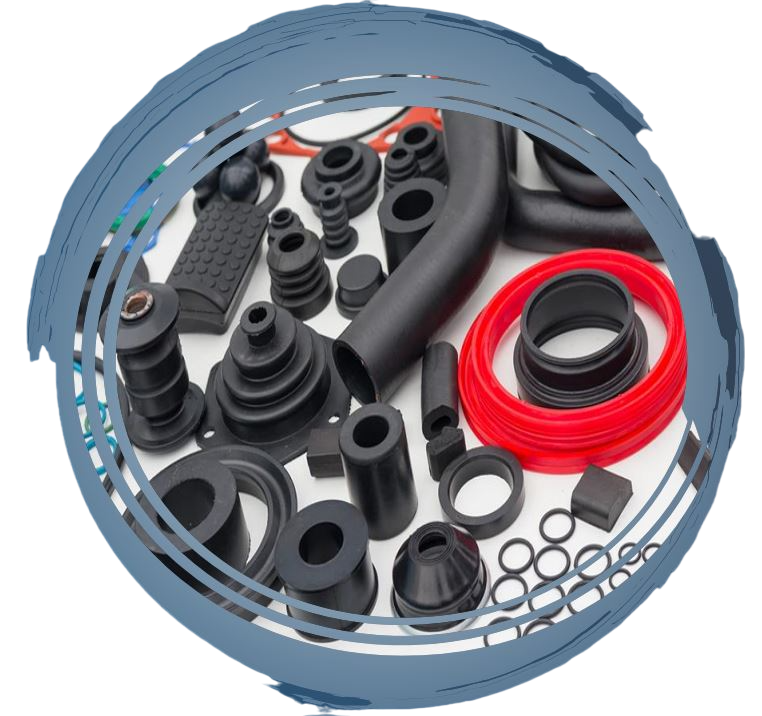
Choosing the right rubber depends on temperature resistance, chemical exposure, pressure, lexibility, weather resistance, and application type. Materials like EPDM, Silicone, Nitrile (NBR), Neoprene, and Viton are selected based on specific industrial requirements
EPDM offers excellent weather and ozone resistance, Silicone performs well at high temperatures, while Neoprene provides balanced oil and chemical resistance. The right choice depends on environmental and operational conditions.
Silicone and Viton rubber are commonly preferred for high-temperature gasket applications because they maintain flexibility and sealing performance under extreme heat conditions.
Custom moulded rubber parts are widely used in automotive, electrical, pharmaceutical, food processing, aerospace, construction, engineering, and industrial machinery sectors.
Custom rubber moulding ensures precise fitment, improved sealing, vibration resistance, durability, and compatibility with unique industrial applications. It also reduces assembly issues and improves product lifespan.
Rubber O-rings and seals are manufactured using compression moulding, transfer moulding, or injection moulding processes depending on the design complexity, tolerance, and material requirement.
Temperature, chemical exposure, UV radiation, pressure, friction, and incorrect material selection can affect gasket and seal life. Proper rubber compound selection significantly improves durability.
Yes, custom rubber products can be manufactured based on technical drawings, CAD files, dimensions, or physical samples. OEM manufacturers usually provide prototype development and material recommendations.
EPDM rubber is commonly used in weather seals, automotive parts, electrical insulation, roofing systems, gaskets, and outdoor industrial applications due to its excellent UV and weather resistance.
Rubber hardness determines flexibility, compression resistance, sealing performance, and durability. Different Shore A hardness levels are selected depending on pressure, load, and environmental conditions.

Address: 14/15, Ruby Industrial Estate, Chincholi Bunder Road, Off.Link Road, Behind Mind Space, Malad (W), Mumbai - 400064, MAHARASHTRA, INDIA.
Tel.No.: (022) 28727863 / 40037863
Mob No. : 9820444582
Email Id : moulikrubber@gmail.com